Here I am, just trying to expand my knowledge of another language and culture, and instead I'm being subjected to a man's nervous breakdown, or at the very least his slide into deep, macabre depression. I subscribe to
About.com’s Spanish word of the day, written by Gerald Erichson’s, About.com’s Spanish editor. Although the words he selects tend to be ordinary and everyday, over the past few months I’ve noticed that the example sentences he uses to demonstrate the daily word’s meaning have become increasingly morbid and gruesome. Today’s example?
La caudrilla: group, gang, team, squad, small group of dogs used in hunting
Ejemplo: Una cuadrilla de bomberos, peritos y autoridades judiciales exhumaron el cadáver.
Traducción: A team of firefighters, technicians and judicial authorities exhumed the corpse.
Here are some more from the recent past:
Quemarropa: point blank
Ejemplo: Imágenes de televisión muestran a un marine ejecutando a quemarropa a un iraquí herido.
Traducción: TV images show a marine executing an injured Iraqi at point-blank range.
Nadar: to swim
Ejemplo: Los cuerpos de las dos juventudes que se ahogaron fueron tirados del agua ayer.
Traducción: The bodies of the two youths who drowned while swimming were pulled from the water yesterday.
I don’t want to read too much into this, but perhaps he is working out some childhood issues in this one:
Gritar: to shout
Ejemplo: Muchos padres gritan, se burlan, regañan y hasta golpean a otros adultos, sin recibir nunca la ayuda que necesitan.
Traducción: Many parents yell at, make fun of, argue with and even hit other adults without ever getting the help they need.
History lesson:
País: country
Ejemplo: Tras la guerra y las epidemias que asolaron el país, Alemania perdió la tercera parte de su población.
Traducción: After the war and the epidemics that devastated the country, Germany lost a third of its population.
Everything OK, Gerald? I'm worried about you. It's a wonderful service you provide, but perhaps you can keep it a little more light,
por favor?


 My mother worked for a time at an organization that brought culturally enriching programs to the school children of Fort Worth. She got to meet all sorts of interesting creatives and impresarios this way, and part of her job responsibility was to squire these artists to parties and events in their honor. Her favorite performer she met was a half-Japanese half
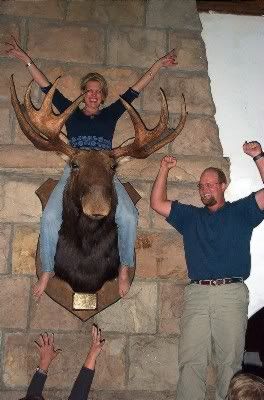
 Children adore stories of their parents' youthful escapades and misbehavior. I discovered this picture of my mother and her friend Brenda, the statuesque blonde, in a
 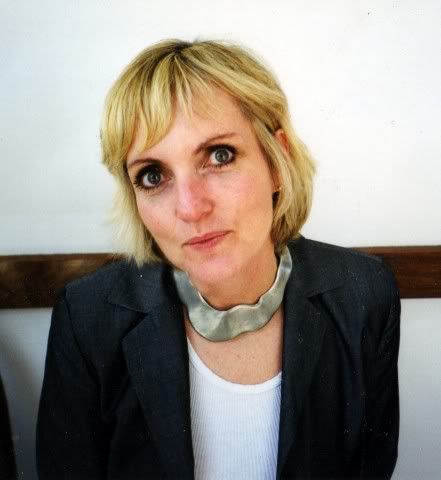 I apologize for the abrupt halt in postings. Writing my mother's obituary, truly the most horrible duty I've ever had to undertake, has quelled my desire to write for a while. I promise to return soon.
 I watched


